Roots Music Genres: A Listener's Map
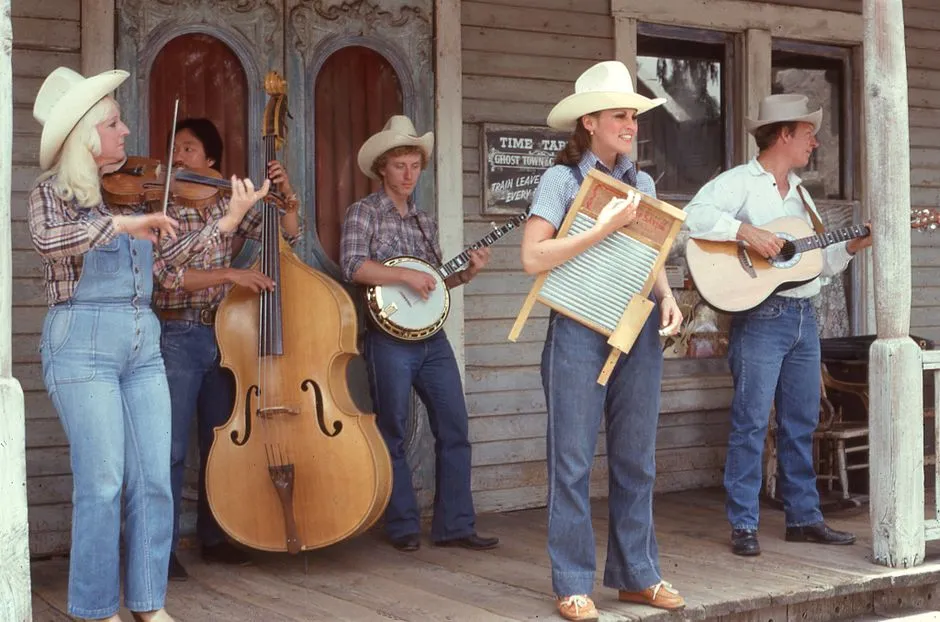
- Roots music is a map with overlapping borders
- The main roots music genres at a glance
- Old-time music: start with the shared groove
- Bluegrass: listen for the handoff
- Blues: follow the phrase, not a single instrument
- Gospel and spiritual traditions: begin with setting and purpose
- Country music: a commercial field with many roots
- Cajun music: hear the dance beneath the song
- Zydeco: follow the Creole rhythm section
- Conjunto and Tejano: listen from the borderlands outward
- Folk revival and Americana: useful shelves, imperfect ancestry
- How the branches lend to one another
- A plain first week of listening
- Keep the label, then get more specific
Roots music is a map with overlapping borders
Roots music is an umbrella for traditions tied to communities, places, shared repertoires, and influential source styles. In a North American context, its branches often include old-time, bluegrass, blues, gospel, country, Cajun, zydeco, and conjunto or Tejano music. Folk revival and Americana overlap the map, but neither is a tidy synonym for everything beneath it.
The branches lend songs, instruments, rhythms, and players to one another. A banjo does not automatically make a recording bluegrass. An accordion does not settle whether a Louisiana dance tune is Cajun or zydeco. A singer with an acoustic guitar might be performing a traditional ballad, a newly written folk song, country music, or all three at once.
Use genre names as directions. When a recording catches your ear, follow the specific community, performer, repertoire, language, and performance setting behind it. That is where the useful distinctions begin.
The main roots music genres at a glance
| Branch | A useful first clue | Listen for next | Where the label blurs |
|---|---|---|---|
| Old-time | Fiddle-and-banjo dance repertory and a strong shared pulse | Repeated tune shapes, dancers' rhythm, instruments moving together | String-band blues, ballads, gospel, and early country share repertoire and players |
| Bluegrass | Acoustic string band with instruments taking solo breaks | Mandolin, fiddle, banjo, guitar, and bass exchanging the lead | It grows from older string-band, country, blues, and sacred sources |
| Blues | Flexible vocal and instrumental traditions rooted in Black musical history | Phrasing, repeated or varied lyric lines, guitar or ensemble response | Gospel, country, jazz, old-time, rhythm-and-blues, and rock all meet it |
| Gospel and spiritual traditions | Sacred text and performance shaped by worship communities | Lead-and-response, harmony, testimony, congregation, quartet, choir, or instrumental setting | “Gospel” contains many distinct denominational, regional, and commercial styles |
| Country | A broad commercial field built from several rural and popular traditions | Song form, vocal storytelling, string-band inheritance, dance or honky-tonk rhythm | Old-time, western, gospel, blues, bluegrass, and pop all cross its borders |
| Cajun | Louisiana French repertoire associated strongly with dance | Accordion or fiddle, two-step or waltz motion, high projected vocals | Repertoire and instruments overlap Louisiana Creole and zydeco music |
| Zydeco | Black Creole Louisiana dance music with a strong rhythmic drive | Accordion, electric rhythm section, blues and rhythm-and-blues influence | It shares songs, dances, places, and instruments with Cajun and Creole traditions |
| Conjunto and Tejano | South Texas and borderlands dance music led by accordion and bajo sexto | The push-pull of accordion melody against the bajo sexto's rhythm | Tejano is broader than conjunto and also meets country, rock, pop, and Mexican traditions |
This is a listening map, not a claim that eight boxes contain the music of a continent. The Library of Congress's American Folklife Center says its music collections represent virtually all diasporic communities in every U.S. state and territory. Any short list necessarily leaves out communities and traditions that deserve their own names.
Old-time music: start with the shared groove
Old-time most often points to country string-band music, especially fiddle-and-banjo traditions used for dancing, although people apply the name more broadly. The centre of gravity is often the tune and its pulse. Rather than waiting for a featured solo, listen to how the instruments repeat, vary, and reinforce a melody together.
The Smithsonian Folkways account of Virginia's roots and branches describes old-time string bands as dance bands known for a strong, driving rhythm. It also traces the meeting of Scots-Irish fiddle traditions with African instruments and practices connected to the banjo. That shared history is important: old-time music should not be filed as an exclusively white Appalachian inheritance.
First-listen path: choose one fiddle tune in two or three recordings. Tap the steady beat, then follow the fiddle's outline. On the next pass, follow the banjo or guitar and notice whether it shadows the melody, supplies rhythm, or answers it. Repetition is the structure that lets small changes become audible.
Bluegrass: listen for the handoff
Bluegrass is a more specific postwar string-band style. The classic ensemble centres on five-string banjo, flat-top guitar, fiddle, mandolin, and bass, with instruments taking turns carrying the melody while the others return to backing. Smithsonian Folkways' bluegrass overview places its emergence in the rural South after World War II and explains that the genre took its name from Bill Monroe's Blue Grass Boys.
The easiest distinction from an old-time dance tune is not speed. It is arrangement. In bluegrass, listen for a sung verse or chorus followed by an instrumental break, then another handoff. In old-time playing, several instruments may sustain the tune together for the dancers.
First-listen path: play one classic five-piece performance. Write the lead order: voice, banjo, fiddle, mandolin, guitar, or whatever actually happens. If you can hear who steps forward and who moves into rhythm, you have found the bluegrass conversation.
Blues: follow the phrase, not a single instrument
Blues is not one sound or one guitar pattern. It includes regional, vocal, acoustic, electric, ensemble, sacred-adjacent, and popular forms grounded in Black musical history. A listener may encounter country blues, Delta blues, Piedmont styles, urban electric blues, or performers whose repertories also include ballads, spirituals, dance tunes, and popular songs.
The National Park Service's history of African American Southern Appalachian music documents Black musicians working across gospel, blues, old-time, and popular repertories, while discriminatory recording categories helped obscure their place in Southern mountain music. The boundary between branches was never as clean as later shelves made it look.
First-listen path: begin with the vocal line. Notice how a phrase sits behind or ahead of the beat, what it repeats, and how an instrument answers. Then compare an acoustic solo performance with a band performance. The relationship between voice, pulse, and response will tell you more than the presence of a guitar.
Gospel and spiritual traditions: begin with setting and purpose
Sacred roots music includes many Black and white church traditions, spirituals, hymns, shape-note singing, quartet styles, choirs, preaching-and-song forms, and instrumental practices. “Gospel” is therefore a family name, not a single arrangement. The performance belongs to a worship history even when a recording circulates on a commercial label or concert stage.
Gospel also runs through neighbouring genres. Smithsonian's bluegrass history names sacred and country music among bluegrass's sources, and the National Endowment for the Humanities' summary of American Roots Music places spirituals, blues, country, and gospel among the traditions formed from African and European origins.
First-listen path: read the recording notes before pressing play. Identify the congregation, quartet, choir, soloist, or instrumental group and the setting if it is known. Listen for how a leader, ensemble, and listeners divide the musical work. Do not assume a polished studio quartet and a field recording from a service represent the same practice.
Country music: a commercial field with many roots
Country is both a musical field and a recording-industry category. Its history draws on string bands, ballads, blues, gospel, dance music, cowboy repertory, popular song, radio, and studio production. That makes it a neighbour to old-time and bluegrass, not simply a larger box that explains them away.
Instrumentation will not settle the question. Fiddle, guitar, banjo, steel guitar, bass, drums, and electric instruments appear in different country eras and subgenres. Listen instead for the song's form, vocal approach, rhythmic setting, and the terms used by the performer and release notes.
First-listen path: compare one early string-band recording, one honky-tonk performance, and one contemporary country recording. Ask what changed in ensemble, amplification, rhythm, and studio sound. Then ask what survived in the way the song tells its story.
Cajun music: hear the dance beneath the song
Cajun music is rooted in Louisiana community and dance traditions, often using Louisiana French lyrics, accordion, fiddle, guitar, and other ensemble instruments. Waltzes and two-steps matter because this is music shaped around bodies moving together, not merely an accordion timbre detached from place.
Smithsonian Folkways' Cajun and zydeco instrument lesson notes that the two traditions use many of the same instruments but in different ways. It describes Cajun music as primarily associated with acoustic instruments while electric instruments take a more central role in zydeco, and it identifies accordion as important to both. “Primarily” is the useful word; living bands do not have to pass an acoustic purity test.
First-listen path: compare a waltz and a two-step. Count the broad three-beat sway of the first, then the two-beat drive of the second. Follow either accordion or fiddle through the whole track and notice how vocals sit over the dance rhythm.
Zydeco: follow the Creole rhythm section
Zydeco is a Black Creole Louisiana tradition shaped for dancing. Accordion remains prominent, but blues, rhythm-and-blues, soul, rock-and-roll, electric instruments, and a hard-moving rhythm section help distinguish much zydeco from neighbouring Cajun styles.
The Smithsonian Folkways Arhoolie Cajun and zydeco history describes zydeco developing as traditional waltzes and two-steps fused with blues, rhythm-and-blues, and later rock-and-roll. Its discussion centres Clifton Chenier's piano accordion and role in popularizing the genre. That history should not be compressed into “Cajun music played louder.” Shared geography and repertoire do not erase distinct Black Creole identity.
First-listen path: find Cajun and zydeco versions of a related dance form or song. Compare the rhythm section, accordion sound, vocal delivery, and use of amplification. Name the differences you hear without treating either performance as the original from which the other wandered.
Conjunto and Tejano: listen from the borderlands outward
Conjunto is an accordion-led South Texas and northern Mexican borderlands tradition strongly associated with accordion and bajo sexto, a twelve-string instrument that supplies rhythm and bass movement. Tejano is a broader category that can include conjunto as well as orchestral, country-influenced, rock-influenced, and pop-oriented approaches.
Smithsonian Folkways' profile of Los Texmaniacs and conjunto tejano places accordion-driven conjunto in the rural and small-town Rio Grande Valley during the first half of the twentieth century, then follows it into dance halls, parties, and later cross-genre work.
First-listen path: hold your attention on the bajo sexto rather than the accordion. Hear how its rhythm and low movement frame the melody. On a second pass, follow how accordion phrases push against or settle into that pattern. The pair explains the ensemble more clearly than a generic “Latin” tag.
Folk revival and Americana: useful shelves, imperfect ancestry
Folk revival can describe periods and scenes in which performers, collectors, labels, festivals, and audiences brought traditional material into new concert, recording, educational, or political settings. It also includes newly written songs presented in relation to folk practice. A revival recording may preserve, rearrange, misunderstand, credit, or fail to credit its sources; the notes matter.
Americana is a contemporary umbrella used by parts of the music industry, press, radio, festivals, and performers. It commonly gathers country, folk, blues, gospel, rock, and related influences. It does not contain every tradition from the Americas, and it should not replace specific labels such as zydeco, conjunto, or a community's own name.
First-listen path: when a playlist says folk or Americana, inspect the track credits. Ask which tradition the music draws from, whether the song is traditional or newly written, and how the artist describes the work. The broad shelf should lead to a more exact one.
How the branches lend to one another
The family tree is really a network. Musicians travel. Families and neighbours exchange songs. Churches, dances, work, migration, radio, records, touring, and new technology move sounds between communities. The same tune can acquire new words; the same song can move from unaccompanied voice to string band to electric group.
That exchange does not mean every boundary is imaginary. Names can mark language, community, history, performance practice, and racial experience. Smithsonian's Cajun and zydeco materials, for example, emphasize both long cultural exchange and distinct Cajun and Creole identities. Respecting overlap means learning both sides of that sentence.
Our broader guide to what roots music means explains why the umbrella changes with the speaker. The companion guide to starting with folk music shows how to follow one place, tradition, or song type without turning the whole field into a shuffled mood.
A plain first week of listening
Choose three branches, not all of them. For each branch:
- Hear one archive or museum recording with reliable notes.
- Hear one later performance by a named practitioner.
- Compare the musical job: dance, worship, storytelling, concert, or commercial recording.
- Write down one instrument, one rhythmic detail, one credit, and one unanswered question.
Use lawful museum, library, artist, label, radio, or licensed streaming sources. The Library of Congress's American Folklife Center online collections provide contextual entry points, including the Henry Reed fiddle-tune collection and Alan Lomax materials. Smithsonian Folkways pairs recordings with notes and educational articles.
After those three listens, follow one musician or community sideways into the neighbouring branch. Bluegrass may lead back to old-time or gospel. Zydeco may lead toward Creole French song, blues, or rhythm-and-blues. Conjunto may open into a wider Tejano history. The map becomes memorable when the roads carry actual sound.
Keep the label, then get more specific
Roots music is useful because it opens a door. It is limited because the room contains more histories than one label can name. Start with old-time, bluegrass, blues, gospel, country, Cajun, zydeco, or conjunto if that helps you hear a difference. Then replace the umbrella with the most specific accurate term supported by performers, communities, and reliable notes.
A good genre map does not decide which music is pure. It helps a listener hear relationships without sanding away the people who made them.